
Grading, Soil Prep and Drainage Guide
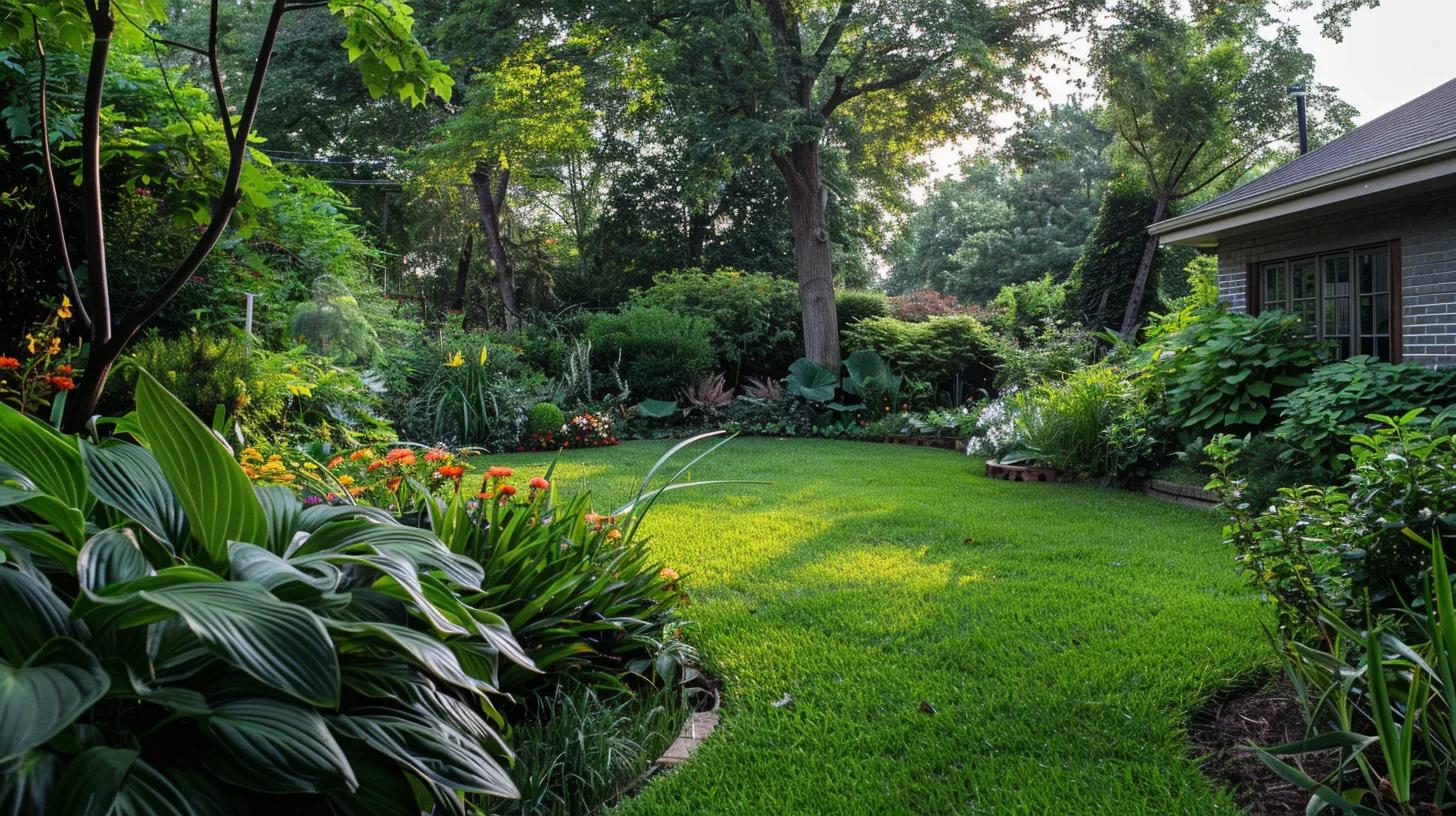
Complete Guide to Grading, Soil Preparation, and Drainage Solutions for Effective Yard Care
Grading, soil preparation, and drainage are essential components of effective yard care, particularly in regions like the Gulf Coast where soil types and weather conditions can vary significantly. This guide will provide you with a comprehensive understanding of the essential techniques and best practices for grading and soil preparation, as well as effective drainage solutions. By mastering these elements, you can enhance the health and aesthetics of your landscape while preventing common issues such as erosion and water pooling. Throughout this article, we will explore the specific grading techniques suitable for Gulf Coast landscapes, the best practices for soil preparation, and the installation and maintenance of drainage systems. Additionally, we will highlight how Big Mess No Stress, LLC can assist you in achieving optimal yard care.
What Are the Essential Soil Grading Techniques for Gulf Coast Landscapes?
Soil grading is the process of leveling and shaping the land to ensure proper drainage and soil health. In Gulf Coast landscapes, where heavy rainfall can lead to water accumulation, effective grading techniques are crucial. Proper grading not only enhances the aesthetic appeal of your yard but also prevents water pooling and erosion. Techniques such as contour grading, sloping, and the use of grading equipment are essential for achieving optimal results.
How to Determine Proper Grading Slopes for Effective Drainage
To establish effective grading slopes, it is recommended to aim for a slope of at least 2% away from structures. This means for every 100 feet, the ground should drop at least 2 inches. Proper slope measurements are vital as they directly impact drainage efficiency, helping to direct water away from foundations and prevent flooding.
Which Tools and Equipment Are Best for Dirt Grading?
When it comes to dirt grading, having the right tools is essential. Key equipment includes:
- Laser Level: Ensures precise grading by providing accurate slope measurements.
- Grading Rake: Useful for leveling and smoothing soil surfaces.
- Excavator: Ideal for larger grading projects, allowing for efficient soil movement.
Using the appropriate tools can significantly enhance the grading process, ensuring a well-prepared landscape.
What Are the Best Practices for Exterior Soil Preparation?
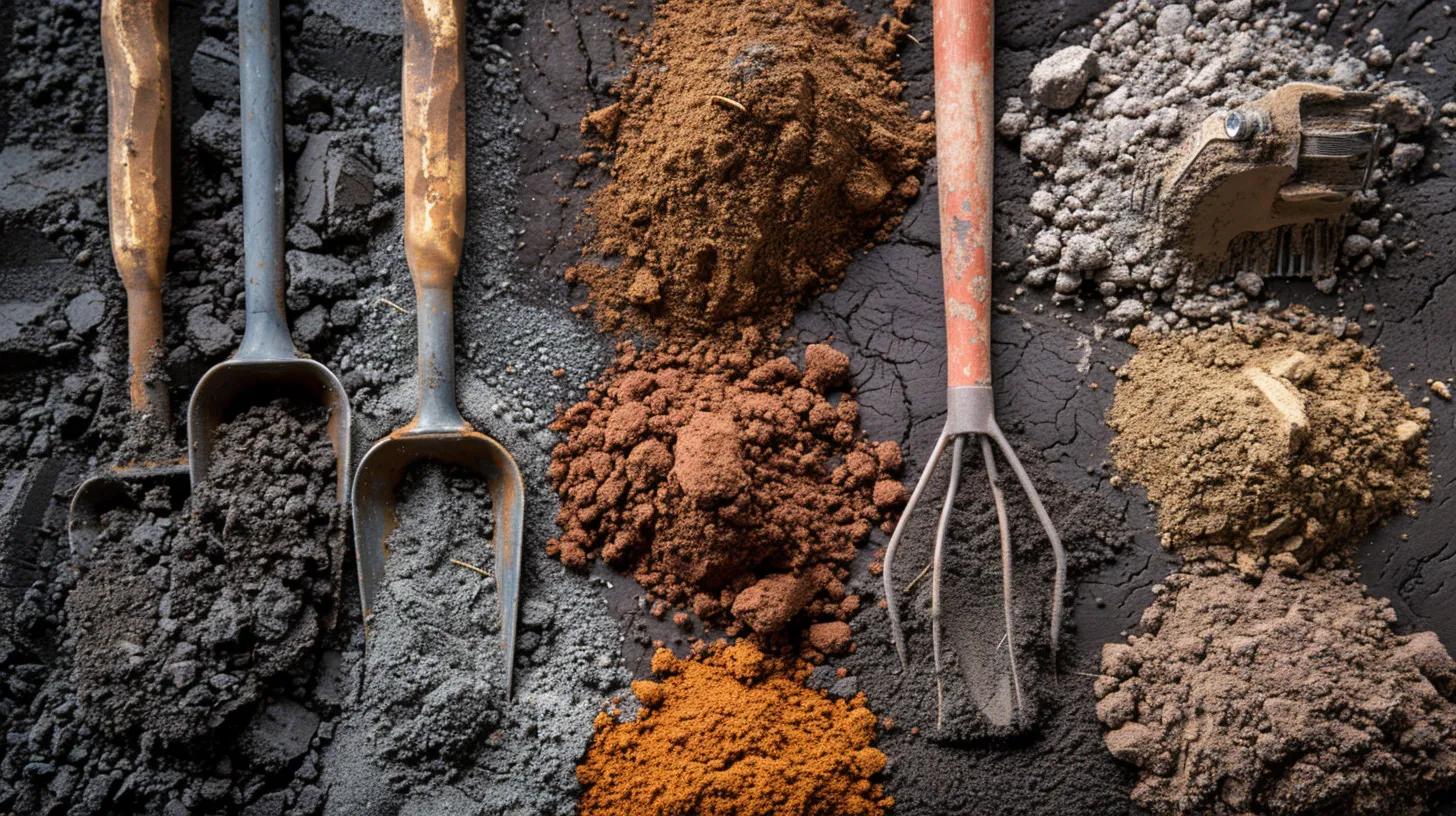
Effective soil preparation is critical for successful landscaping. It involves assessing soil quality, testing for nutrients, and amending the soil as necessary. Best practices include conducting soil tests to determine pH and nutrient levels, which inform the necessary amendments to improve soil health.
How to Identify and Prepare Different Soil Types in the Gulf Coast Region
In the Gulf Coast region, common soil types include sandy, clay, and loamy soils. Each type requires specific preparation methods:
- Sandy Soil: Benefits from organic matter to improve water retention.
- Clay Soil: Requires aeration and amendments to enhance drainage.
- Loamy Soil: Generally well-balanced but may need periodic testing for nutrient levels.
Understanding these characteristics allows for tailored soil preparation strategies that enhance plant growth and landscape health.
What Soil Compaction and Amendment Methods Improve Landscape Health?
Soil compaction can hinder root growth and water infiltration. To improve landscape health, consider the following methods:
- Aeration: Involves perforating the soil to allow air, water, and nutrients to penetrate.
- Organic Amendments: Adding compost or well-rotted manure can improve soil structure and fertility.
- Mulching: Helps retain moisture and suppress weeds, contributing to healthier soil.
Implementing these methods can significantly enhance the vitality of your landscape.
Indeed, scientific studies confirm that incorporating organic amendments like compost or manure can significantly enhance the quality of residential soils and overall plant performance.
Improving Residential Soil Quality with Organic Amendments
systems (eg, organic amendments, shallow tillage) have the potential to improve the quality of urban soils. The addition of organic amendments such as compost or manure to soils has
Organic soil amendment and tillage affect soil quality and plant performance in simulated residential landscapes, AL Shober, 2010
How Do You Install and Maintain Yard Drainage Systems?
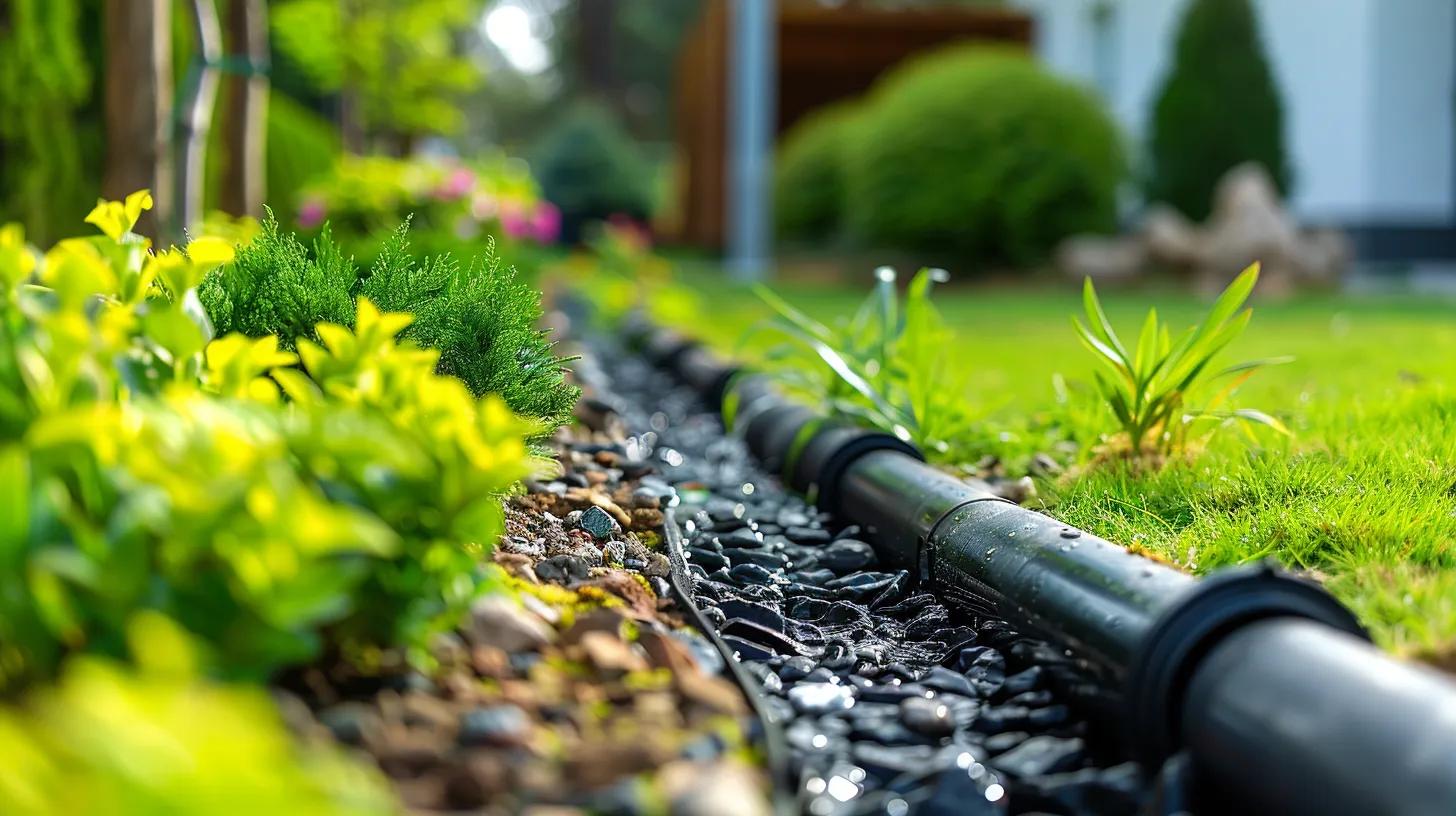
Installing a proper drainage system is essential for managing excess water and preventing erosion. Effective drainage systems can include French drains, surface drains, and downspout extensions. Each system has its unique installation requirements and maintenance needs.
The necessity of effective drainage systems is further underscored by research highlighting how variable climatic patterns and soil characteristics often lead to either excess or deficit soil water conditions.
Essential Drainage for Optimal Soil Water Conditions
Variable climatic patterns and soil characteristics combine to cause many areas to exhibit either excess or deficit soil water conditions. Few areas can maintain optimal growing conditions without some additional drainage or irrigation. In fact, drainage and irrigation practices have been used for thousands of years to create or enhance productive lands.
Drainage principles and surface drainage, WJ Elliot, 2012
What Drainage Pipe Types and Materials Are Recommended for Coastal Areas?
For coastal areas, the following drainage pipe types are recommended:
- PVC Pipes: Durable and resistant to corrosion, making them ideal for various drainage applications.
- Perforated Pipes: Allow water to enter the pipe while filtering out soil, preventing clogging.
- Corrugated Pipes: Flexible and easy to install, suitable for residential drainage systems.
Choosing the right materials ensures longevity and effectiveness in managing water flow.
How to Prevent Soil Erosion and Manage Water Flow Effectively
Preventing soil erosion is crucial for maintaining landscape integrity. Effective strategies include:
- Planting Vegetation: Roots help hold soil in place and reduce runoff.
- Installing Retaining Walls: These structures can help manage slopes and prevent erosion.
- Using Erosion Control Blankets: These provide immediate cover for bare soil, promoting vegetation growth.
Implementing these techniques can significantly reduce erosion and improve water management in your yard.
What Are the Key Maintenance Tips for Long-Term Drainage and Soil Health?
Maintaining drainage systems and soil health is an ongoing process that requires regular attention. Key maintenance tips include:
- Regular Inspections: Check drainage systems for blockages and ensure they are functioning properly.
- Soil Testing: Conduct tests annually to monitor nutrient levels and pH.
- Seasonal Amendments: Apply organic matter and fertilizers as needed to maintain soil health.
By following these maintenance practices, you can ensure the longevity and effectiveness of your drainage systems and soil health.
How to Troubleshoot Common Drainage Problems in Residential Yards
Common drainage problems include standing water, soggy areas, and erosion. To troubleshoot these issues:
- Identify the Source: Determine if the problem is due to grading, soil type, or drainage system failure.
- Adjust Grading: Ensure that the land slopes away from structures to facilitate proper drainage.
- Enhance Drainage Systems: Consider adding additional drains or improving existing ones to manage water flow effectively.
Addressing these issues promptly can prevent more significant problems in the future.
When Should You Schedule Professional Grading and Drainage Services?
It is advisable to schedule professional grading and drainage services when:
- You notice persistent water pooling in your yard.
- Your landscape shows signs of erosion or soil degradation.
- You are planning significant landscaping changes that require expert assessment.
Big Mess No Stress, LLC specializes in grading, soil preparation, and drainage solutions, ensuring your yard remains healthy and beautiful.